Are AI visibility tools still worth it? (February 2026)
 Louis LuaAI Visibility Analyst at Lua Rank
Are AI visibility tools worth it in 2026? 90% will disappear as Microsoft integrates tracking into Bing Webmaster Tools. Discover which platforms survive and why.
The answer is stark and unforgiving: AI visibility tools are facing an existential crisis, and we predict 90% will disappear by the end of 2026. Microsoft's integration of AI performance tracking directly into Bing Webmaster Tools has fundamentally shifted the landscape, making hundreds of $50-100 monthly SaaS tools obsolete overnight.
We're witnessing a repeat of what happened to SEO tools a decade ago. Remember when dozens of companies charged premium prices just to display data you could already find in Google Search Console? Most vanished when marketers realized they were paying for glorified data visualization.
The brutal reality is that basic AI search tools offering simple visibility tracking are already dead – they just don't know it yet. The survivors won't be the prettiest dashboards or the cheapest options. They'll be the platforms that deliver actionable intelligence and, more importantly, execute the work for you.
The Great AI Visibility Consolidation Has Begun
Microsoft's move to embed AI performance metrics directly into Bing Webmaster wasn't just a feature update – it was a market consolidation signal. Google and OpenAI will inevitably follow suit, providing free baseline AI visibility tracking that makes standalone monitoring tools redundant.
We've seen this movie before. In 2015, the SEO tool market was flooded with dozens of rank tracking and keyword monitoring services. Today, only the heavyweight platforms like SEMrush and Ubersuggest thrive because they evolved beyond simple data reporting to become comprehensive marketing intelligence platforms.
"The companies that survived the SEO tool consolidation weren't the ones with the prettiest charts – they were the ones that helped marketers actually do the work, not just see the work that needed doing," explains a leading digital marketing strategist from Gartner's AI research division.

Marketing teams debate if AI visibility tools worth it for scaling content operations efficiently.
The same consolidation pressure now crushes AI visibility providers. Tools that simply track where your content appears in ChatGPT, Claude, or Perplexity responses offer minimal differentiation when that data becomes freely available through native platform dashboards.
Tool Category | 2024 Market Position | 2026 Survival Probability | Reason |
|---|---|---|---|
Basic Visibility Tracking | Saturated | 10% | Native platform integration |
Actionable Intelligence | Emerging | 75% | Unique value proposition |
Full Execution Platforms | Limited | 90% | Replace human workflows |
What Separates Survivors from Casualties
The platforms that will dominate the post-consolidation landscape share three critical characteristics that basic visibility tools can't match.
Predictive Intelligence Over Reactive Reporting
Surviving tools don't just show you what happened – they predict what will happen and tell you exactly how to capitalize on it. Instead of reporting that your brand appeared in 47 AI responses last week, winning platforms identify content gaps that could capture 200% more mentions next month.
Bing webmaster AI performance data is useful, but it's historical. The real value comes from tools that layer proprietary algorithms on top of that raw data to generate forward-looking strategies.
Automated Execution, Not Just Recommendations
The death blow to traditional AI visibility tools isn't better data visualization – it's automation. Platforms like our content engine at Lua Rank don't just identify optimization opportunities; they automatically generate and publish the optimized content that captures those opportunities.
While basic tools suggest "you should create content about X topic," execution-first platforms actually create that content, optimize it for AI search visibility, and integrate it directly into your content workflow.
Workflow Integration Over Standalone Dashboards
The winning platforms embed directly into existing marketing operations rather than creating another dashboard to check. They push insights and automated actions into Slack channels, CMS platforms, and campaign management tools where teams actually work.
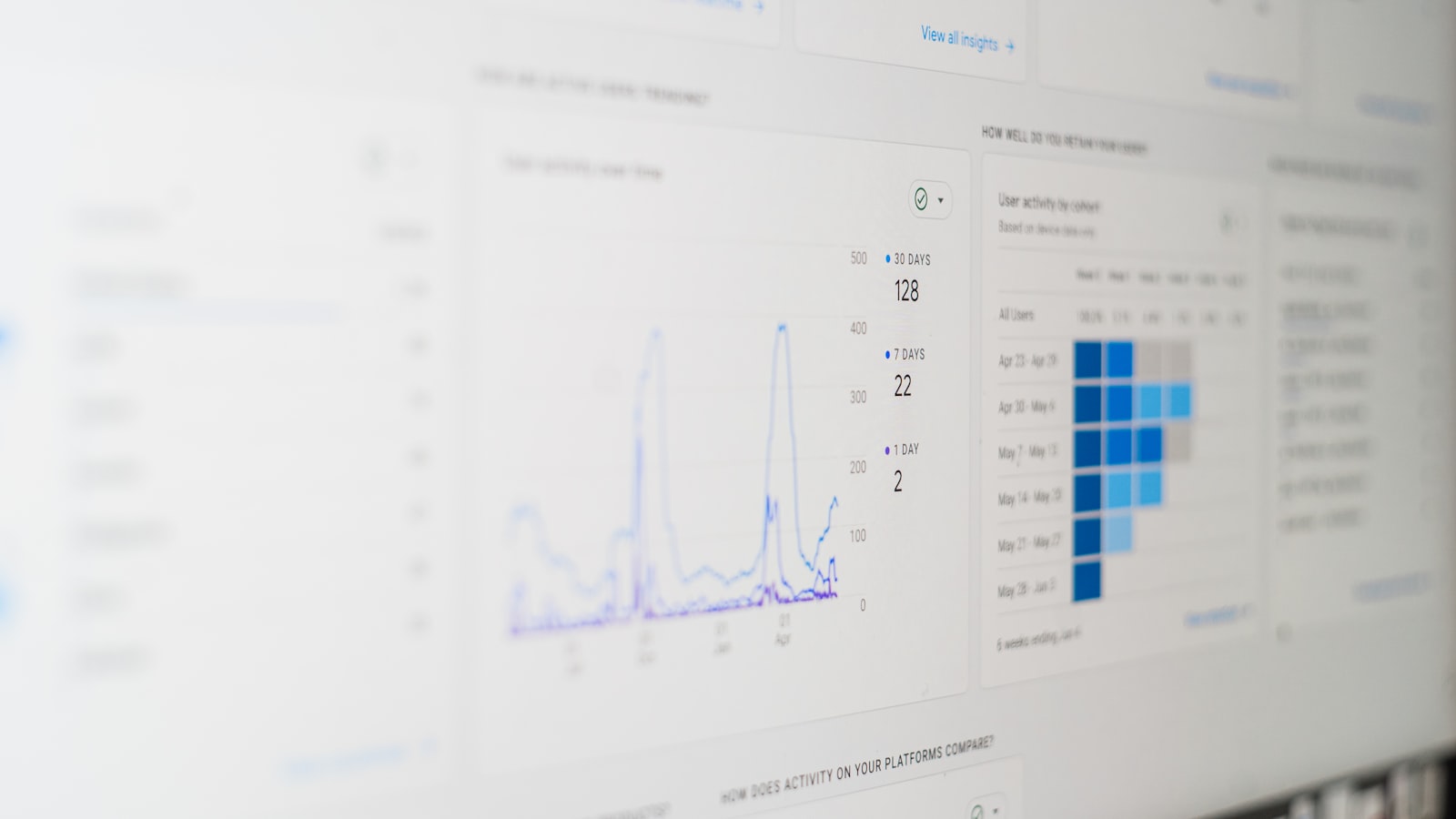
Growth metrics dashboard reveals whether AI visibility tools worth it for improving search performance.
The Strategic Pivot: What AI Visibility Tools Must Do Now
If you're building or using an AI visibility tool, the window for strategic repositioning is closing rapidly. Here's our roadmap for survival:
Embrace the Execution Layer
Stop competing on data completeness or dashboard design. Every AI platform will eventually expose their visibility data through APIs or native tools. Instead, focus on what happens after the insight – the content creation, optimization, and distribution that actually moves the needle.
According to research from McKinsey's AI implementation studies, companies achieve 3x better ROI from AI tools that automate execution versus those that only provide analysis.
Build Proprietary Data Moats
While visibility tracking becomes commoditized, proprietary datasets around content performance, audience behavior, and optimization strategies remain valuable. Tools that combine public AI visibility data with exclusive behavioral insights create defensible competitive advantages.
Vertical Specialization Strategy
Generic AI visibility tools die first. Specialized platforms serving specific industries (legal tech, healthcare, B2B SaaS) with tailored workflows and compliance requirements have better survival odds. The more generic your tool, the more vulnerable you are to platform integration.
The Counter-Argument: Why Some Tools May Survive
Not every AI visibility tool faces immediate extinction. Platforms serving enterprise clients with complex multi-brand portfolios, advanced API integrations, and custom reporting requirements may maintain relevance even as native tools improve. However, they'll need to justify significantly higher price points with correspondingly advanced capabilities.
Some argue that specialized analytics and competitive intelligence features could sustain certain tools. While this may provide temporary reprieve, the long-term trend toward platform consolidation and automated execution remains unchanged.
Our analysis through extensive market research shows that even specialized tools must evolve toward execution-first models to maintain sustainable growth trajectories beyond 2026.
The harsh reality is that the AI visibility space is experiencing the same maturation cycle that eliminated hundreds of SEO and social media monitoring tools over the past decade. The survivors won't be the ones with the best visibility tracking – they'll be the ones that help lean marketing teams ship more content faster while reducing manual workflow overhead.
Frequently Asked Questions
When will major platforms like Google integrate AI visibility tools directly?
Based on Microsoft's timeline with Bing Webmaster Tools, we expect Google to announce native AI search performance tracking in Search Console within 12-18 months. OpenAI and Anthropic will likely follow with similar developer tools by late 2026, making standalone visibility tracking obsolete for most use cases.
What should marketing teams do if their current AI visibility tool lacks execution features?
Start evaluating platforms that combine visibility tracking with automated content generation and optimization capabilities. Look for tools that integrate directly into your existing CMS and content workflows rather than requiring separate dashboard management. The transition period offers opportunities to consolidate multiple tools into comprehensive execution platforms.
Are there any AI visibility tools worth investing in right now?
Focus on platforms that demonstrate clear execution capabilities beyond basic tracking – specifically those offering automated content creation, optimization recommendations with implementation, and workflow integration features. Tools that only provide visibility metrics without actionable next steps or automated execution should be avoided as short-term investments.