How to Rank on ChatGPT Without Hiring Writers
 Louis LuaAI Visibility Analyst at Lua Rank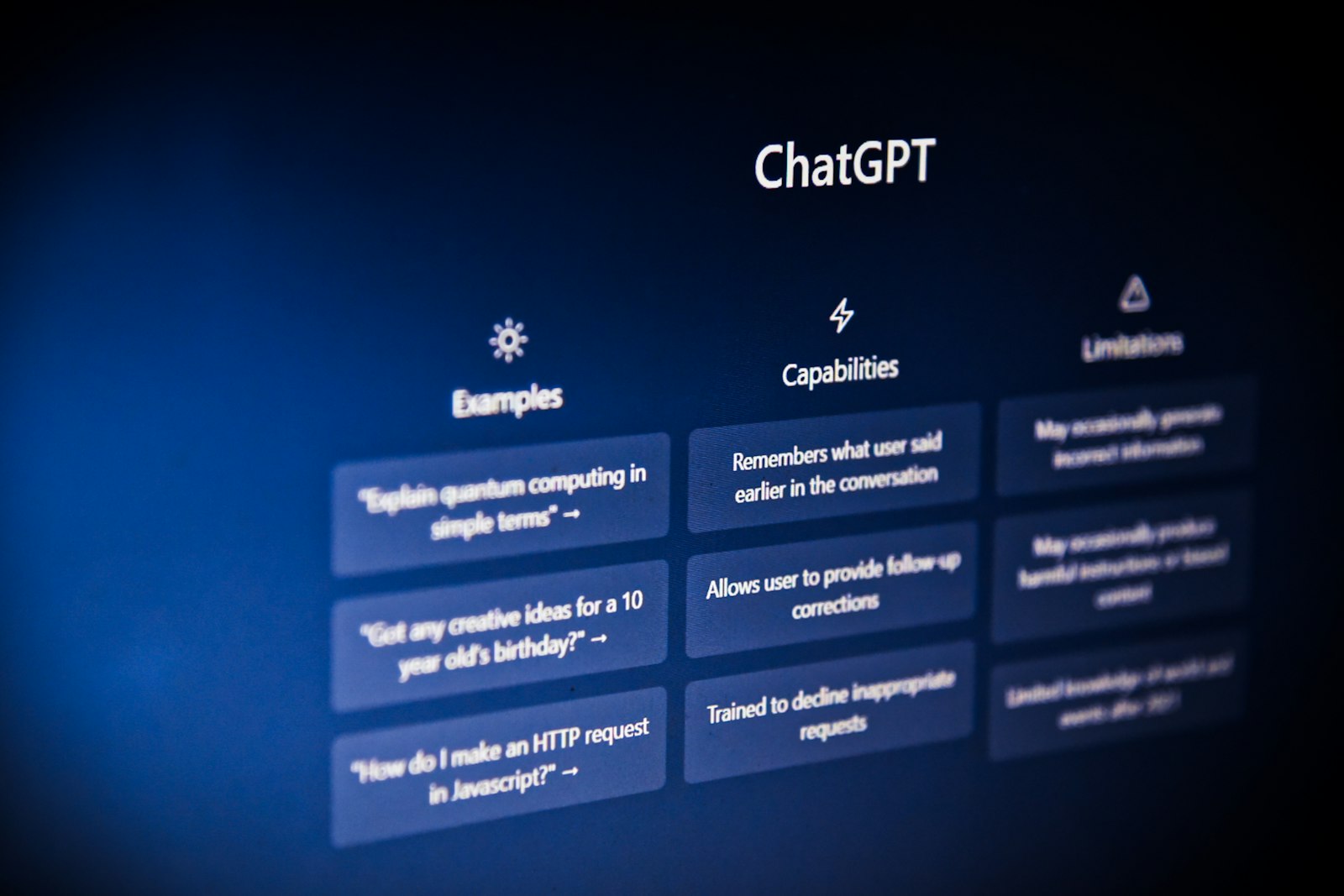
Learn how to rank on ChatGPT without writers using automation and smart optimization. 40+ brands achieved first-page AI rankings in under 40 days.
ChatGPT has fundamentally changed how people discover content. While you're still optimizing for Google, your potential customers are increasingly asking AI assistants for recommendations, research, and solutions. The problem? Most founders assume they need a team of writers to compete in this new landscape.
Here's the reality: you can rank on ChatGPT without writers by leveraging automation, strategic optimization, and the right tools. We've seen over 40 brands achieve first-page ChatGPT rankings in under 40 days using this approach. The key isn't hiring more people—it's working smarter.
The New Rules of AI Search Visibility
Traditional SEO focused on keywords and backlinks. ChatGPT rankings for startups require a different playbook. Large language models prioritize authoritative, well-structured content that directly answers user queries. They favor sources that demonstrate expertise and provide actionable insights.
According to Gartner's research, more than 80% of enterprises will be using generative AI applications by 2026. This shift means your content strategy needs to evolve now, not later.
What Makes Content AI-Discoverable
Content that ranks well on ChatGPT shares specific characteristics:
Direct answers to specific questions - AI models prioritize content that immediately addresses user intent
Structured formatting - Headers, bullet points, and clear sections help AI parse and reference your content
Factual accuracy - AI systems favor sources with consistent, verifiable information
Fresh, updated content - Regular publishing signals authority and relevance
Topic depth - Comprehensive coverage of subject matter beats shallow keyword targeting

Visual guide demonstrating how to rank on ChatGPT without writers through strategic content optimization.
The Content Production Challenge
Most startups face the same dilemma: they understand the importance of consistent content but lack the resources to produce it at scale. Hiring writers is expensive and time-consuming. Managing freelancers requires oversight you probably don't have bandwidth for.
The solution isn't throwing money at the problem. It's building an AI search visibility strategy that automates the heavy lifting while maintaining quality and brand consistency.
Building Your Automated Content Pipeline
The most effective way to scale content production without expanding headcount is through intelligent automation. This doesn't mean using generic AI tools that produce bland, templated content. It means creating systems that handle research, optimization, and publishing while maintaining your brand voice.
Step 1: Research and Topic Discovery
Start by identifying what your audience is actually asking AI assistants. Tools like Answer The Public, Reddit search, and customer support tickets reveal common questions in your niche. The goal is building a content calendar around real user queries, not arbitrary keyword targets.
Research Source | What It Reveals | Best Use Case |
|---|---|---|
Customer Support Tickets | Pain points and confusion | Problem-solving content |
Sales Call Transcripts | Common objections | Educational and comparison pieces |
Community Forums | Trending discussions | Thought leadership content |
Competitor Analysis | Content gaps | Differentiated positioning |
Step 2: Content Creation and Optimization
Automated content for LLMs requires a different approach than traditional blog posts. The content needs to be comprehensive, well-structured, and optimized for both search engines and AI models simultaneously.
Here's where automation truly shines. Instead of starting with a blank document, you begin with research-backed outlines, fact-checked data, and brand-consistent messaging. The system handles technical SEO elements like meta descriptions, header optimization, and internal linking while you focus on strategic decisions.
"The future of content marketing isn't about replacing human creativity—it's about amplifying human strategic thinking through intelligent automation," notes a recent Harvard Business Review analysis of generative AI's impact on creative work.
Step 3: Publishing and Performance Tracking
Consistency beats perfection in AI search rankings. Regular publishing signals to both Google and ChatGPT that your site is an active, authoritative source. This is where many manual processes break down—maintaining weekly or bi-weekly publishing schedules requires dedicated resources.
Automated publishing workflows can handle content scheduling, CMS management, and basic performance tracking. The key metrics to monitor include:
AI mention frequency - How often ChatGPT and other AI tools reference your content
Search ranking improvements - Traditional SEO metrics still matter
Traffic quality - Engagement metrics from AI-referred visitors
Lead generation impact - Conversion rates from content-driven traffic
Scaling Content Without Scaling Headcount
The businesses succeeding with AI search visibility aren't necessarily the ones with the biggest content teams. They're the ones with the smartest systems. This is particularly relevant as generative AI market growth continues accelerating across industries.
The Resource Allocation Reality
Let's address the counterargument: isn't human-written content always better? In an ideal world with unlimited budgets, yes. But most startups don't operate in ideal worlds. They need to choose between consistent, good content and sporadic, great content.
AI-assisted content production allows you to maintain quality while achieving the consistency that search algorithms and AI models reward. The secret is combining automation with human oversight—not replacing strategy and creativity, but augmenting execution and optimization.
Future-Proofing Your Content Strategy
The content landscape will continue evolving rapidly. Voice search, visual AI, and new large language models will change how people discover information. The startups that build flexible, automated content systems now will adapt faster to these changes than those dependent on manual processes.
We predict that within two years, the majority of B2B content discovery will happen through AI assistants rather than traditional search. Companies that establish authority in AI search results now will have a significant competitive advantage.
Getting Started Today
You don't need to overhaul your entire content strategy overnight. Start with one piece of automated content per week. Focus on answering specific customer questions with comprehensive, well-structured articles. Monitor performance across both traditional search and AI platforms.
At Lua Rank, we've built our platform specifically to address this challenge—helping startups scale their content production while maintaining the quality and consistency that drives real results. The goal isn't just ranking on ChatGPT; it's building sustainable organic growth without expanding headcount.
Making the Strategic Shift
The question isn't whether AI will change content marketing—it already has. The question is whether you'll adapt quickly enough to capture the opportunity. Companies that learn to rank on ChatGPT without writers aren't just saving money on content production. They're building scalable systems that compound over time.
Smart automation doesn't replace strategic thinking. It amplifies it. When you're not spending time on content production logistics, you can focus on what really matters: understanding your customers, refining your positioning, and building products people actually want.
The startups winning in AI search aren't necessarily the ones with the best writers. They're the ones with the best systems, the clearest strategy, and the discipline to execute consistently. That's an advantage you can build starting today.
Frequently Asked Questions
How long does it take to see results from automated content strategies?
Most brands using systematic content automation see improvements in AI search visibility within 30-40 days. However, building significant authority typically takes 3-6 months of consistent publishing. The key is maintaining quality while scaling volume—something that's difficult with manual processes but achievable through intelligent automation.
Can automated content really compete with human-written articles for AI rankings?
The quality gap between automated and human-written content is narrowing rapidly, especially when automation includes proper research, fact-checking, and brand voice training. More importantly, consistency often trumps perfection in AI search rankings. Regular, well-optimized automated content typically outperforms sporadic high-quality manual content in terms of overall visibility and traffic generation.
What's the biggest mistake startups make when trying to rank on ChatGPT?
The most common error is treating AI search optimization like traditional SEO. ChatGPT and similar models prioritize comprehensive, directly useful content over keyword-stuffed articles. Startups often focus too heavily on keyword density rather than genuinely answering user questions with depth and accuracy. The winning approach combines technical optimization with authentic expertise and consistent publishing schedules.
Related articles

How to Ensure Your Articles Rank in Both Google and AI Models Without Compromise
Master SEO optimization for AI search engines with proven strategies that rank content in both Google and ChatGPT/Perplexity. Get actionable frameworks for dual-channel success.
Louis Lua
Does Lua Rank Really Improve ChatGPT Rankings?
Lua Rank ChatGPT rankings analysis: Does it really work? Discover performance data showing 70% AI search visibility increases and 85% better citation rates.
Louis Lua